

Cupping, Massage, Dry Needling & Acupuncture: Are They Really Worth It?

Whether you’re a fitness lover, athlete, or simply someone dealing with chronic muscle tension, you’ve probably heard of these recovery tools. But are they just trendy wellness buzzwords or genuinely helpful for your body?
At Stay Fit with Div, we believe in recovery as much as results. Let’s break down what each therapy does, how often you should take them, and what to keep in mind for maximum benefits.
What Are They & How Are They Beneficial?
1. Cupping Therapy

This ancient technique uses suction cups to lift the skin and increase blood flow to tight or stagnant areas.
Benefits:- Boosts circulation
- Relieves muscle stiffness
- Supports detoxification
- Improves range of motion
- Great for post-workout recovery or chronic pain
2. Massage Therapy

From deep tissue to sports massage, this is a go-to for anyone with physical stress or soreness.
Benefits:- Reduces muscle soreness
- Enhances lymphatic drainage
- Helps with stress and sleep
- Speeds up recovery
- Improves flexibility and relaxation
3. Dry Needling
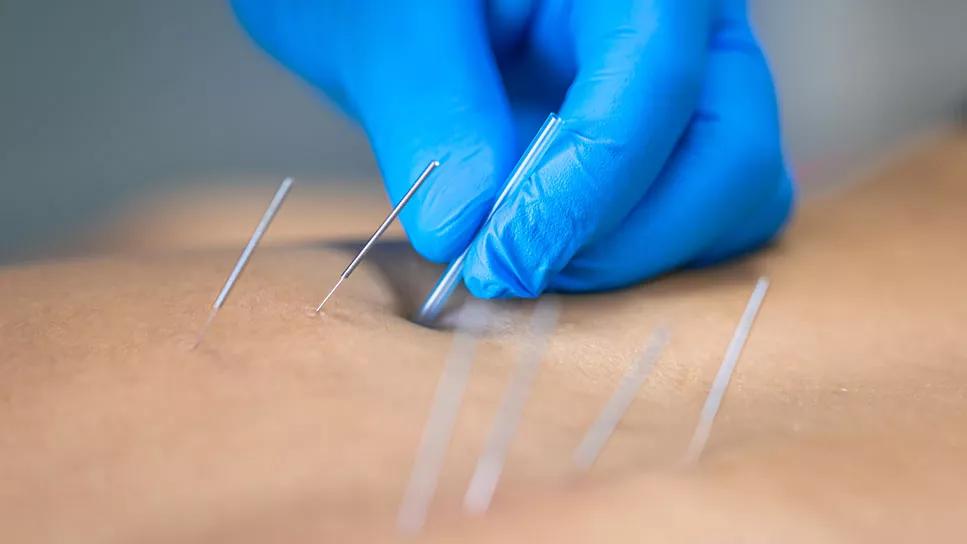
A modern physiotherapy technique that targets tight muscle bands and trigger points using fine needles.
Benefits:- Releases deep muscle knots
- Reduces inflammation
- Treats pain and tightness
- Restores mobility
4. Acupuncture

A traditional Chinese medicine practice that involves inserting thin needles into energy points (meridians) to rebalance the body.
Benefits:- Balances the nervous system
- Reduces chronic pain and inflammation
- Improves sleep and digestion
- Supports hormonal balance
- Helps with anxiety, migraines, and fatigue
Is It Good to Take These Therapies?
Yes—but intentionally. Each therapy has strong benefits when applied to your specific body needs.
Use them when:
- You’re training hard or recovering from soreness
- You’re feeling stiff, anxious, or low on energy
- You want to prevent injury or boost mobility
- You’re mentally or physically burnt out
How Frequently Should You Take Them?
| Therapy | Recommended Frequency | Notes |
|---|---|---|
| Cupping | 1–2 times a month | More often during heavy training or injury |
| Massage | Every 2–4 weeks | Weekly if under high physical stress |
| Dry Needling | As advised by a physiotherapist | Not to be overdone |
| Acupuncture | 1–2 times per month for wellness | Weekly for stress, hormonal issues, or pain |
What to Keep in Mind While Taking These?
- Choose certified professionals with experience
- Don’t take them when sick, dehydrated, or exhausted
- Hydrate well before and after
- Avoid workouts or intense activity 24 hours post-session
- Communicate your pain level and sensitivity to your therapist
Resting Period After Therapy
Yes, your body needs rest post-therapy to process the release and healing.
- 12 to 48 hours depending on intensity
- No heavy lifting or cardio
- No alcohol or extreme heat (sauna, steam)
- Light movement like walking or stretching is okay
Diet That Supports Recovery Therapies

Eat more of:
- Hydrating foods: Cucumber, watermelon, coconut water
- Anti-inflammatory options: Berries, leafy greens, turmeric, ginger
- Protein-rich foods: Eggs, tofu, Greek yogurt, lentils
- Magnesium sources: Spinach, pumpkin seeds, almonds
Avoid:
- Processed sugar
- Excess caffeine
- Fried and heavy oily foods
- Alcohol post-treatment
Final Word from Div
“Recovery isn’t a luxury—it’s a necessity. Cupping, massage, needling, and acupuncture aren’t quick fixes. They’re tools to help you move better, feel better, and train smarter.”
✨ Want to know which recovery method suits you best?
📩 DM @stayfitwithdiv or join our Mobility & Recovery sessions in Dubai.